
2026-09-22 ·
How Humidity Affects Portable Toilet Cleanliness in Huntsville Summers
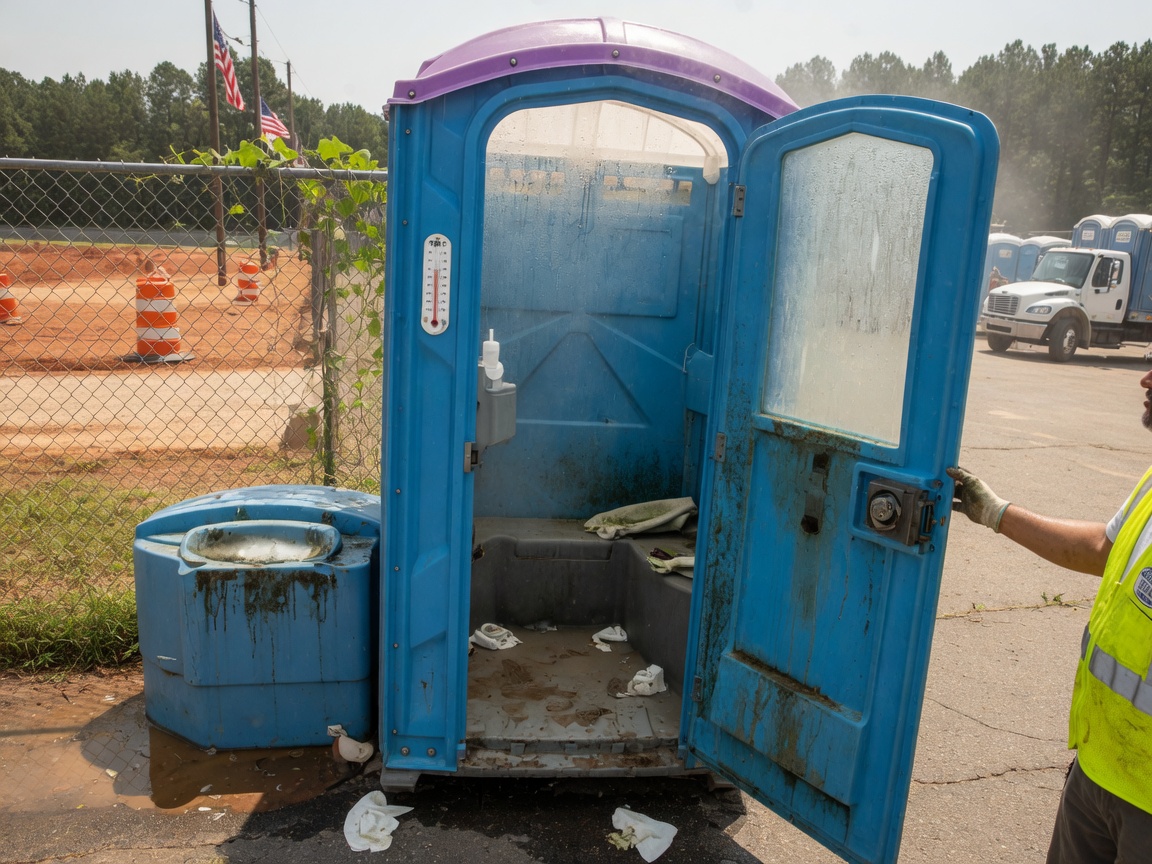
Huntsville summers are brutal on portable toilets. When humidity climbs into the 70–85% range—which is typical for June through August in Madison County—moisture accelerates bacterial proliferation, amplifies odors, and creates conditions where mold and algae thrive inside tank walls and on surfaces. A standard portable toilet that might remain fresh for 5–7 days in dry conditions can develop noticeable odor and visible mold within 2–4 days once summer humidity peaks. The warm, stagnant air trapped inside a sealed unit becomes a perfect incubator: bacteria double in population every 20 minutes in high-moisture environments, and the combination of heat and humidity speeds decomposition of waste, releasing volatile organic compounds that escape through ventilation systems and create that unmistakable porta-potty smell. For events, construction sites, or residential rentals across Huntsville, Madison, and Decatur, this reality means humidity isn't just uncomfortable—it directly determines how often your unit needs pumping, cleaning, and restocking to remain sanitary and usable.
Why Humidity Accelerates Odor and Bacterial Growth
Portable toilets rely on a sealed tank environment where anaerobic bacteria break down waste. Under normal conditions, this process is manageable; the tank is designed to contain odor and allow waste to decompose over time. But when humidity is high, two critical things happen: first, moisture condenses on interior surfaces—walls, the toilet seat, the ventilation pipe—creating a film of liquid that bacteria colonize rapidly. Second, the warm, damp air reduces the effectiveness of chemical treatments (like the blue deodorant typically added to tanks), because those chemicals work best in drier conditions and lose potency when diluted by condensation and excess moisture. In Huntsville's climate, where summer temperatures regularly exceed 90°F and humidity stays above 70%, the interior of a portable toilet becomes a greenhouse. Anaerobic bacteria thrive; sulfur-producing microbes generate hydrogen sulfide gas (the rotten-egg smell); and mold spores germinate on any surface where moisture persists. A unit that sits in direct sun on a construction site near the Tennessee River Valley intensifies this effect—solar heating accelerates evaporation inside the tank, which then condenses on cooler interior surfaces, creating a cycle of moisture buildup that no amount of chemical treatment can fully overcome without frequent professional cleaning.
How Moisture Affects Tank Chemistry and Deodorant Effectiveness
The blue (or green) liquid added to portable toilet tanks during servicing is a biocide and deodorant blend designed to suppress bacterial activity and mask odor. In dry conditions, this chemical layer sits on top of the waste and maintains a protective barrier for 5–7 days between service visits. Humidity disrupts this chemistry in multiple ways. Excess moisture dilutes the chemical concentration, reducing its antimicrobial potency; condensation on tank walls creates pockets of pure water where bacteria can multiply unchecked; and high humidity increases the rate of chemical evaporation, shortening the effective lifespan of each treatment. In Huntsville summers, a tank that receives standard chemical treatment on a Monday may lose 30–40% of its deodorant effectiveness by Wednesday due to humidity-driven dilution and evaporation alone. This is why portable toilet rental companies operating in the Alabama area during peak summer often recommend more frequent service cycles—moving from weekly to twice-weekly pumping and cleaning for high-traffic units, or switching to luxury restroom trailers that feature better ventilation, climate control, and larger waste capacities to reduce the frequency of overflow and odor issues. Standard units work fine for cooler months, but summer humidity forces a choice: accept more frequent maintenance cos
Ventilation and Air Circulation: The Hidden Factor
Every portable toilet has a vent pipe running from the tank to the roof of the unit, designed to allow gases to escape rather than build pressure or create odor pockets inside the cabin. In Huntsville's humid summers, this vent becomes a double-edged sword. On one hand, it prevents dangerous methane and hydrogen sulfide from accumulating. On the other hand, humid air flowing through the vent pipe can condense on the interior walls of the tank and the underside of the toilet seat, accelerating mold growth and creating slick, unpleasant surfaces. Units placed in shaded areas—common on construction sites near wooded sections of Madison County or in the shadow of larger buildings—experience less solar heating, which means the interior temperature stays lower and condensation forms more readily. Conversely, units in full sun heat up, which can reduce condensation but increases the rate of chemical evaporation and makes the interior uncomfortably hot. Neither scenario is ideal. The best practice in Huntsville's climate is to place portable toilets in partially shaded locations (avoiding full sun but ensuring some air circulation) and to request portable toilet service and cleaning visits at 3–4 day intervals during June, July, and August rather than the standard 7-day cycle. Professional cleaning crews can physically scrub interior surfac
Real-World Impact: Construction Sites and Events in Huntsville
Construction projects across Huntsville, from residential developments in Madison to commercial work near the Huntsville International Airport, face significant humidity challenges. A typical construction site might have 1–3 portable toilets serving 20–50 workers. In summer, high foot traffic combined with humidity means each unit experiences rapid waste accumulation and moisture buildup. A construction site portable toilet rental that works perfectly in April or October may become problematic by mid-July: workers report odor issues, mold on surfaces, and flies attracted to moist waste. The solution isn't always to rent more units—though that helps—but to adjust the service schedule. Merrimack Portable Toilets, operating 24 hours from 803 NE Wellman Ave in Huntsville, can coordinate twice-weekly or even daily pumping and cleaning during peak summer months, ensuring that humidity-related buildup doesn't compromise site sanitation or worker morale. For events—like outdoor festivals or gatherings in the Huntsville area—humidity creates similar pressures. An event portable toilet rental that serves 500 people over a 3-day weekend in August faces intense moisture and waste volume. Professional event planners in Madison County now routinely budget for more frequent servicing during summer
Practical Steps to Minimize Humidity-Related Cleanliness Issues
Understanding humidity's impact allows renters and site managers to take concrete steps to protect portable toilet sanitation. First, placement matters: position units away from standing water, marshy areas, or low-lying spots where humidity concentrates (common near the Tennessee River Valley floor in Huntsville and Decatur). Second, request more frequent service during summer months—moving from weekly to twice-weekly or every 3 days—because humidity accelerates both waste decomposition and odor generation. Third, specify units with enhanced ventilation or consider luxury restroom trailers for high-profile events or long-term construction projects; these feature better airflow, larger tanks, and climate-conscious design. Fourth, ensure that chemical treatments are refreshed at each service visit, not skipped to save cost. Fifth, if your site has electricity available, portable hand-washing stations with warm water and soap reduce cross-contamination and help workers maintain hygiene even when the toilet interior isn't pristine. For specific guidance on your Huntsville, Madison, or Decatur project, discussing humidity-aware service schedules with your rental provider ensures that summer weather doesn't undermine site sanitation. Merrimack Portable Toilets operates around the clock and can customize service intervals based on your site