
2026-09-22 ·
Winterizing Your Portable Restroom Units for Occasional Freezes in Alabama
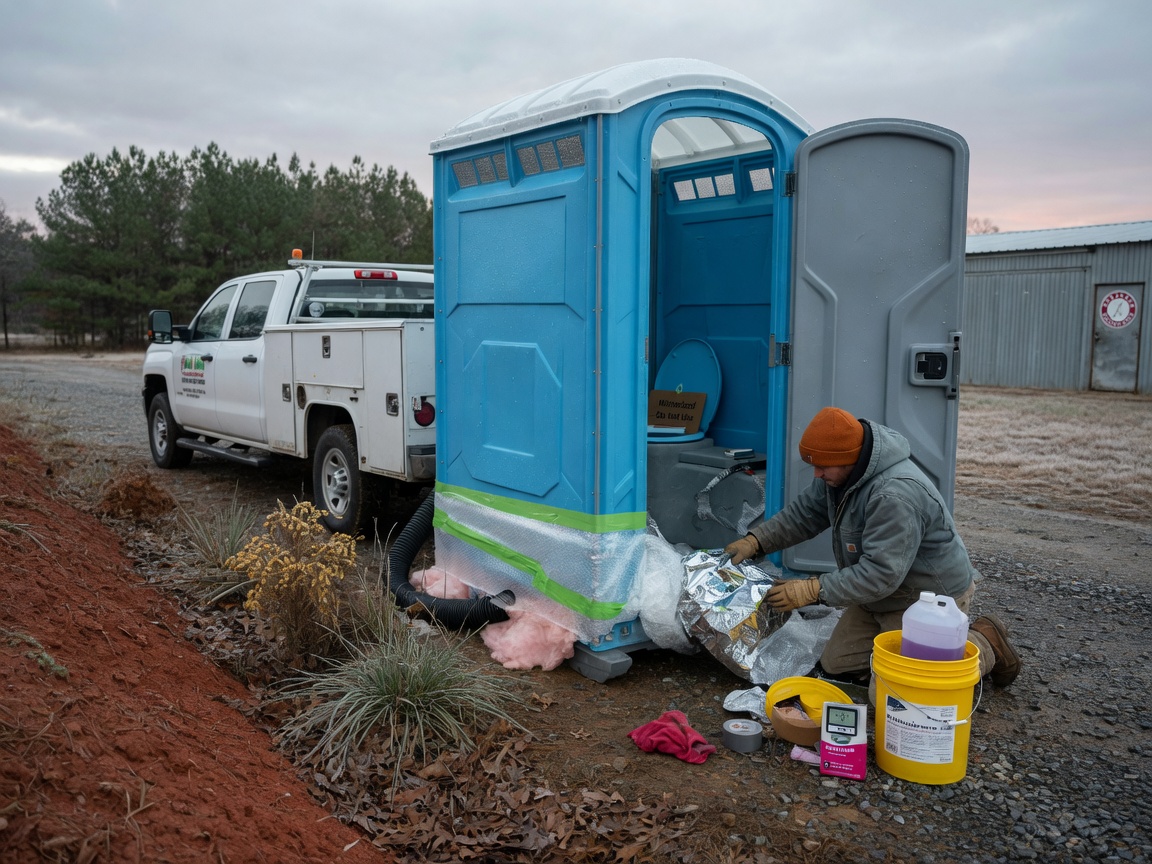
When winter temperatures in Alabama dip below freezing—typically a few nights between December and February—portable toilet units face real risk of damage. The good news: winterizing your portable restrooms doesn't require expensive overhauls. Most units can be protected with insulation wraps, heat tape, and antifreeze solutions that cost between $150–$400 per unit and take 2–4 hours to install. The key is acting before the freeze arrives, not after pipes freeze solid and force costly emergency repairs or replacement.
Alabama's climate rarely demands the year-round freeze protection that northern states need, but the occasional hard freeze—especially in areas like Huntsville, Madison, and Decatur where temperatures can drop into the 20s—catches many operators off guard. Unlike permanent restroom buildings, portable units sit exposed with minimal insulation, making them vulnerable to pipe rupture and tank damage. Understanding what freezes first, when to act, and which protection methods work best for Alabama's sporadic winter weather will keep your fleet operational and your clients satisfied.
Why Alabama Portable Toilets Freeze Differently Than Year-Round Cold Climates
Portable restroom units in Alabama face a unique winterization challenge: the freeze is occasional, not constant. This means your units spend most of the year in warm or moderate conditions, then suddenly encounter a hard freeze. The problem isn't gradual cold adaptation—it's the shock of rapid temperature drop that catches operators unprepared.
The most vulnerable components are the waste tank valve, the fresh water supply line, and the internal plumbing connections. These sit exposed or poorly insulated compared to underground municipal sewer lines. When a freeze hits, water inside these lines expands, creating pressure that can crack fittings, rupture hoses, or split the tank itself. A single night of 20-degree weather can cause $800–$2,000 in damage if the unit isn't protected—far more expensive than preventive winterization.
Alabama's freeze pattern also means you may rent units to construction sites, events, or residential projects that don't have winter protection built in. Unlike Construction Site Portable Toilet Rental setups in Minnesota or Pennsylvania, where crews expect winterization as standard, Alabama clients often assume their rental won't need it. This makes proactive communication and preparation essential.
The Three-Layer Winterization Strategy for Alabama Units
Insulation wraps form the first defense. These are foam or fiberglass blankets that wrap around the exterior of the tank and cover exposed pipes. A complete wrap kit costs $80–$150 per unit and reduces heat loss by 40–60%. For occasional Alabama freezes, a wrap alone often suffices if temperatures stay above 15 degrees. However, when the forecast calls for single-digit lows—rare but possible in Madison County or north toward Cullman—you'll need additional layers.
Heat tape (also called heat cable) is the second layer. This electrical resistance cable wraps around exposed plumbing lines and activates when temperature drops below a set threshold, typically 40 degrees. A quality heat tape kit costs $120–$250 per unit and uses minimal electricity—roughly 5–10 watts per linear foot. Install it on the waste outlet line, fresh water inlet, and any exposed connections. Plug it into a weatherproof outlet or, if none exists, run a heavy-duty extension cord and secure it safely away from foot traffic.
Antifreeze is the third layer, used inside the waste tank and holding tanks. Portable toilet antifreeze (not automotive antifreeze, which is toxic) costs $25–$60 per unit and lowers the freezing point of waste water to around 0 degrees. Add it 24 hours before the freeze is forecast. This protects the tank
Timing: When to Winterize in Alabama
The National Weather Service typically forecasts hard freezes in Alabama 5–7 days in advance. This is your window to act. Don't wait until the night before; winterization takes time, and last-minute installations often miss critical details.
Start winterization when:
- The 10-day forecast shows temperatures below 32 degrees for 2 or more consecutive nights
- Wind chill is expected to drop below 20 degrees (wind accelerates heat loss from exposed units)
- Your units are deployed in exposed locations—parking lots, open fields, or construction sites without wind breaks
Remove winterization when:
- Temperatures consistently stay above 40 degrees for 5+ days
- The risk of freeze has passed and spring weather is established (typically mid-March in Huntsville)
For units rented to events or short-term projects, ask clients about the rental duration and weather forecast before delivery. If a Event Portable Toilet Rental is scheduled for a weekend when freezing temperatures are possible, include winterization in your setup fee rather than treating it as an add-on.
Practical Installation Steps for Heat Tape and Wraps
Proper installation matters as much as the materials themselves. Heat tape installed incorrectly can overheat and create a fire hazard; wraps installed loosely won't provide enough insulation.
For heat tape:
- Dry the pipes completely before wrapping tape around them
- Spiral the tape along the length of exposed plumbing, overlapping slightly (about 1/2 inch per wrap)
- Do not bunch the tape or leave gaps; consistent coverage ensures even heat distribution
- Secure the tape with weatherproof zip ties or aluminum tape (not duct tape, which degrades in cold)
- Plug into a GFCI-protected outlet and test the connection before the freeze arrives
- Check the outlet daily during the freeze to ensure power is maintained
For insulation wraps:
- Measure the tank and exterior dimensions before ordering wraps
- Wrap the tank first, starting at the top and working downward
- Overlap seams by at least 2 inches and seal with weatherproof tape
- Wrap the waste valve assembly separately; this is the most vulnerable point
- Leave access panels uncovered so you can still service the unit if needed
- Check wraps after high winds or heavy rain to ensure they haven't shifted
What to Do If a Unit Freezes Despite Winterization
Even with protection, occasional units freeze in extreme cold. If you discover a frozen unit, don't apply direct heat (such as a heat gun or torch), which can crack the tank or damage seals. Instead, move the unit to a warm location—indoors or in a heated garage—and allow it to thaw slowly over 4–8 hours. This prevents thermal shock damage.
If pipes are frozen but the tank isn't, you can run warm (not hot) water over the frozen section or wrap it with warm towels. This takes time but is safer than electrical heating. Once thawed, check all connections for leaks before returning the unit to service.
For units deployed at remote construction sites or events in areas like Guntersville or Scottsboro, keep a winterization emergency kit on hand: extra heat tape, insulation patches, antifreeze, and weatherproof tape. This lets you respond quickly if a unit wasn't protected and a freeze is imminent.
Long-Term Fleet Planning for Alabama Winter Readiness
If you operate a large fleet, consider investing in permanently insulated units for your core inventory. These cost 15–20% more upfront but eliminate seasonal winterization labor. Alternatively, rotate your oldest units out of service during winter months and keep your best-insulated units in active rotation.
Track which units freeze most often and which locations are most vulnerable. If you're regularly deploying units to high-elevation areas around Cullman or to exposed construction sites along I-565 (covered in our guide on Portable Toilet Setup Guidelines for Construction Projects Along I-565), prioritize winterization for those locations first.
Maintain a winterization calendar: mark the dates when you typically see the first and last freezes in your service area (early December through late February for most of Alabama). Use this to plan maintenance, order supplies in advance, and communicate proactively with clients about seasonal protection needs. This positions you as a knowledgeable, reliable partner rather than a reactive vendor scrambling when cold weather arrives.
Merrimack Portable Toilets operates 24 hours a day from our base at 803 NE Wellman Ave in Huntsville, so if you need urgent winterization advice or emergency sup